
Table of Contents
Introduction
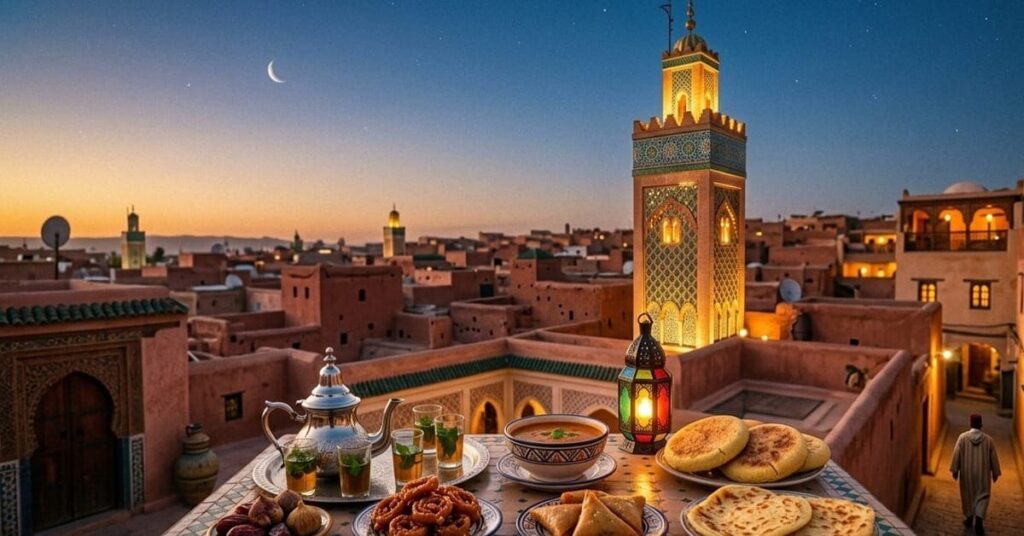
Ramadan in Fez is one of the most fascinating times to experience the spiritual and cultural soul of Morocco. During this holy month, the ancient Fez Medina takes on a completely different rhythm of life, where devotion, tradition, and community shape the atmosphere of the city.
Before dawn, the quiet streets are broken by the sound of the cannon, signaling the last moments before the beginning of the fast. At sunset, the cannon echoes again across the Medina, announcing the time of Ftour, when families gather to break the fast together. These daily traditions create a unique atmosphere that few visitors ever experience elsewhere.
For travelers interested in visiting Fez during Ramadan, the city offers a rare opportunity to witness authentic traditions and the true rhythm of life inside the Fez Medina. But many visitors wonder:
- Is it a good time to visit Fez during Ramadan?
- What changes in the Medina during the holy month?
- What should tourists know before visiting Fez during Ramadan?
- Are restaurants and shops open during the day?
In this guide, we will answer these questions and help you experience Ramadan in Fez in the most respectful and memorable way.
What to Expect as a Tourist
Ramadan in Fez is not just a religious period — it is an atmosphere, a rhythm, and a deeply human experience.
During this sacred month, the ancient Fez Medina transforms in a way that many travelers find unforgettable. The pace of the city changes, daily routines shift, and traditions that have existed for centuries become visible in every alley.
Before dawn, the quiet streets are broken by the sound of the cannon, announcing the last moments before the beginning of the fast. At sunset, the cannon echoes again across the Medina, signaling the time of Ftour, when families gather to break the fast together.
For visitors, visiting Fez during Ramadan offers a rare opportunity to witness authentic Moroccan life. But to fully enjoy the experience, it helps to understand how the city’s rhythm changes during this special time.
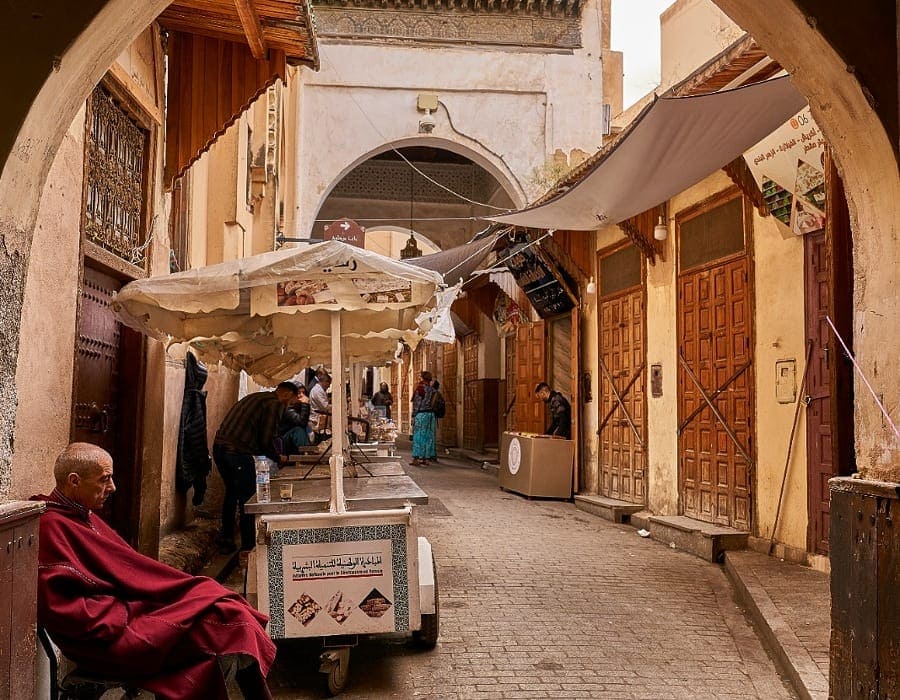
Why Visit Ramadan in Fez 2026?
Experiencing Ramadan in Fez in 2026 offers travelers a rare opportunity to witness the city in one of its most meaningful and authentic moments. During this sacred month, the rhythm of life in the Fez Medina shifts in a way that reveals the deeper cultural and spiritual character of Morocco. Visitors can observe traditions that have been practiced for centuries, from family gatherings at sunset to the vibrant night atmosphere that fills the historic streets. For those interested in culture, local life, and meaningful travel experiences, visiting Fez during Ramadan is not just a trip—it’s a chance to see the city through the eyes of its people and experience a side of Morocco that many travelers never encounter.
The Daily Rhythm: Daytime vs. Nighttime
One of the most surprising things for travelers experiencing Ramadan in Fez is how dramatically the city’s rhythm changes between day and night.
Morning: A Quiet and Peaceful Medina
Mornings in the Fez Medina are calm and almost meditative.
- Many shops open later than usual, typically around 10:00 – 11:00 AM
- The streets feel quieter than usual
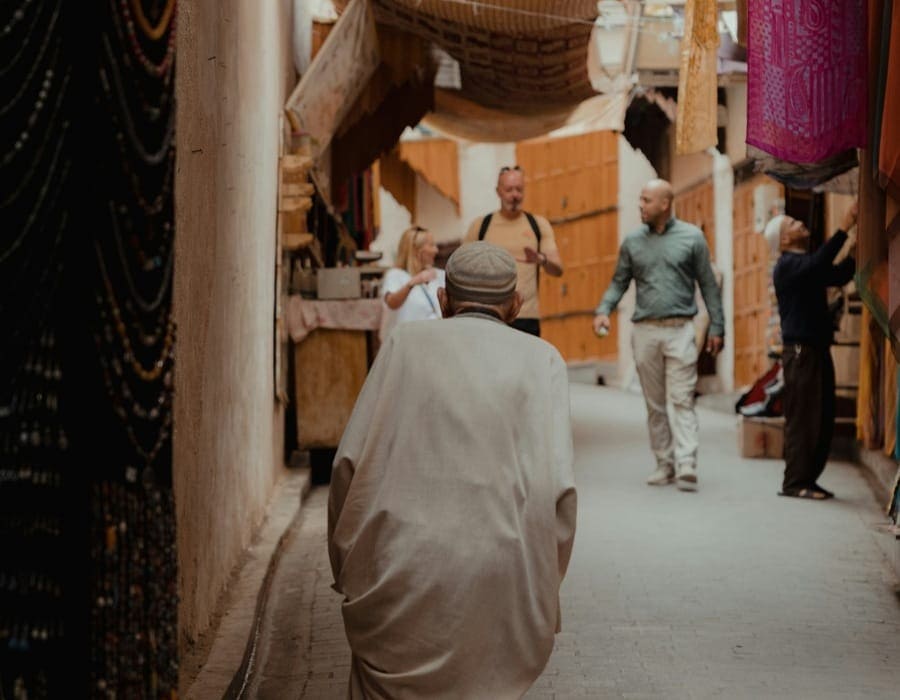
- It becomes easier to walk through the narrow souks without large crowds
For photographers and curious travelers, this peaceful atmosphere offers a unique way to observe the historic life of Fez.
Afternoon: A Slow Pause in the City
Between 2:00 PM and 5:00 PM, the medina slows down even more.
Many locals return home to rest before the evening.
Some small shops close temporarily, and the pace of the city becomes very relaxed.
For tourists, this can actually be the perfect moment to explore monuments or wander through the quieter alleys.
Night: When the Medina Comes Alive
As soon as the sun sets and the cannon announces Ftour, everything changes.
Suddenly the Fez Medina transforms into a lively and joyful place:
- Families walk through the streets together
- Shops stay open late, often until 2 or 3 AM
- Food vendors appear everywhere
- The smell of harira soup, chebakia, and fresh bread fills the air
This is when the Medina truly shows its magical Ramadan atmosphere.
Eating and Drinking: Is Everything Closed?
This is one of the most common questions from travelers visiting Fez during Ramadan.
The answer is not everything is closed, but there are some changes to expect.
Restaurants During the Day
- Most local cafés and restaurants close during daylight hours
- However, tourist-oriented restaurants and riads usually remain open
Many hotels and riads continue serving meals for visitors who are not fasting.
Respecting Local Culture
While tourists are not expected to fast, it is considered respectful to avoid eating, drinking, or smoking in public during the day.
Inside restaurants, riads, or private spaces, this is perfectly acceptable.
Showing this small cultural sensitivity is always appreciated by locals and helps create a more positive travel experience.
The Ftour Experience in Fez
If there is one experience you should not miss during Ramadan in Fez, it is Ftour — the evening meal that breaks the fast.
Ftour is not just dinner; it is a moment of warmth, sharing, and community.
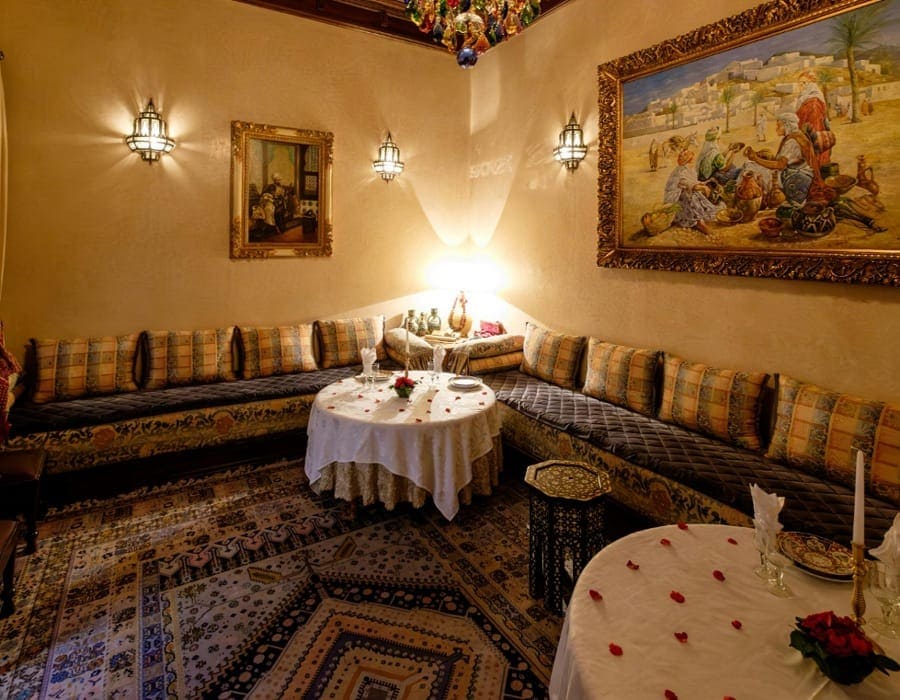
Many travelers choose to enjoy Ftour in a traditional riad or local restaurant, where they can taste classic Moroccan Ramadan dishes.
Typical Ftour foods include:
- Harira – a rich Moroccan soup with tomatoes, lentils, and spices
- Chebakia – sweet sesame pastries soaked in honey
- Dates and milk – traditionally eaten to break the fast
- Fresh Moroccan bread
Sitting at a Ftour table in the Fez Medina, surrounded by the sounds of the city waking up for the night, is a moment many travelers remember long after leaving Morocco.
Opening Hours for Monuments & Shops
When planning sightseeing during Ramadan in Fez, it helps to know that opening hours may change slightly.
Historical Monuments
Some historical sites may close earlier than usual, often around:
3:00 PM – 4:00 PM
Examples include:
- Bou Inania Madrasa
- Museums and cultural sites in the Medina
For this reason, it’s best to visit monuments in the morning or early afternoon.
Shops in the Souks
Shops may open later in the morning but stay open much later at night, sometimes until 2:00 AM or later.
This makes evening shopping in the Fez souks a special experience.
The Spiritual Atmosphere of Ramadan Nights
Another powerful aspect of Ramadan in Fez is the spiritual atmosphere that fills the city at night.
After Ftour, many locals go to the mosques for Tarawih prayers, which take place every evening during Ramadan.
Even for visitors who are not participating, simply walking through the Medina while hearing the distant recitation from mosques creates a deeply moving atmosphere.
It is during these quiet night moments that many travelers feel they are experiencing the true soul of Fez.
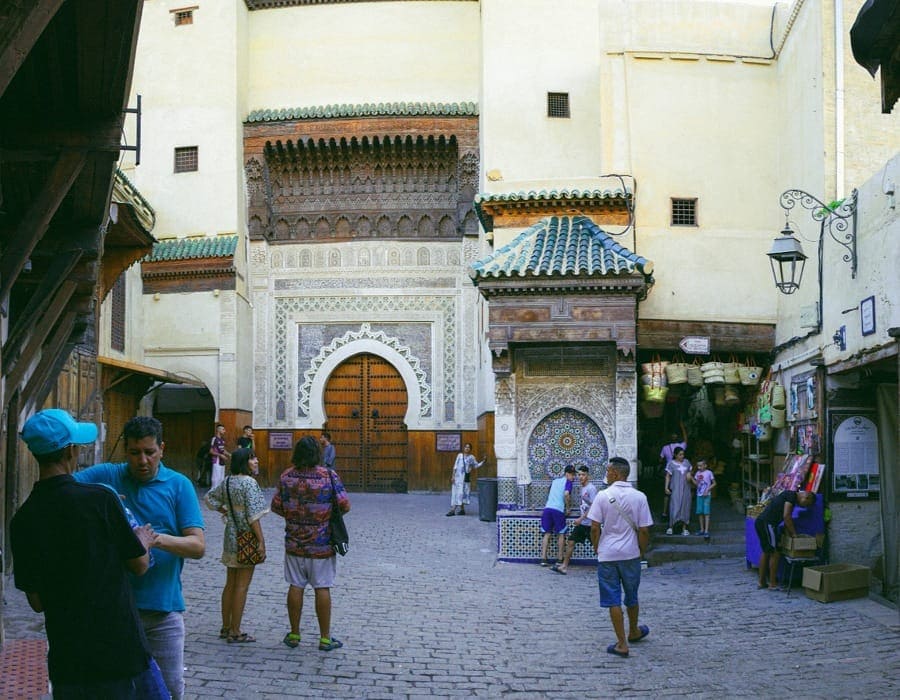
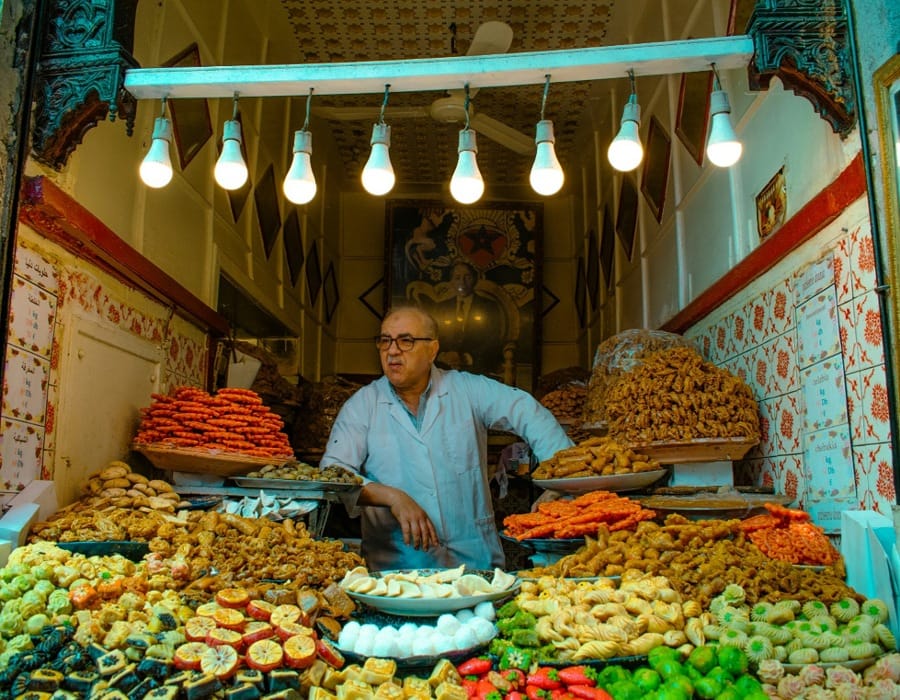
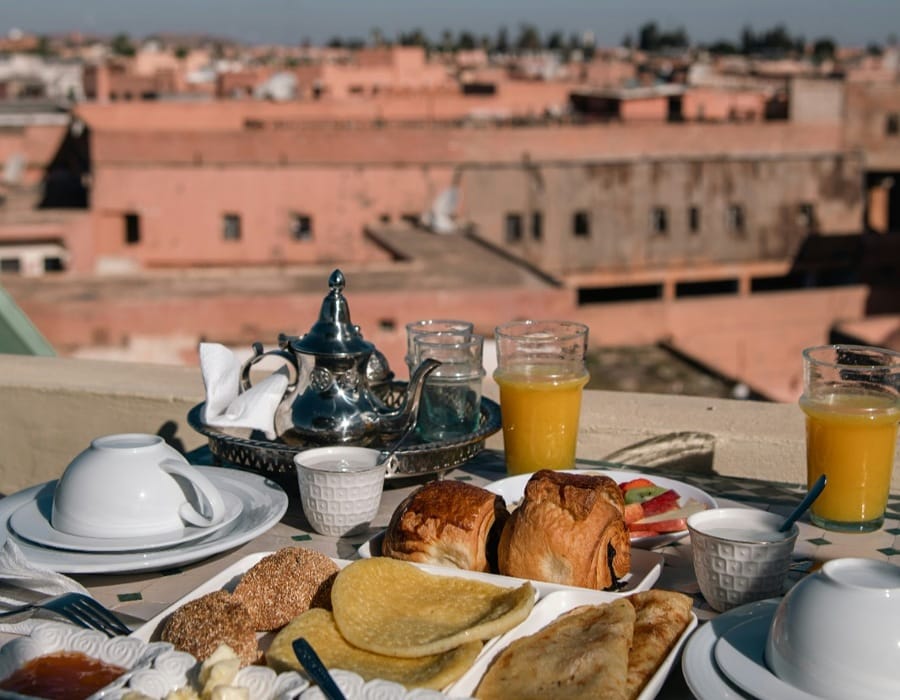
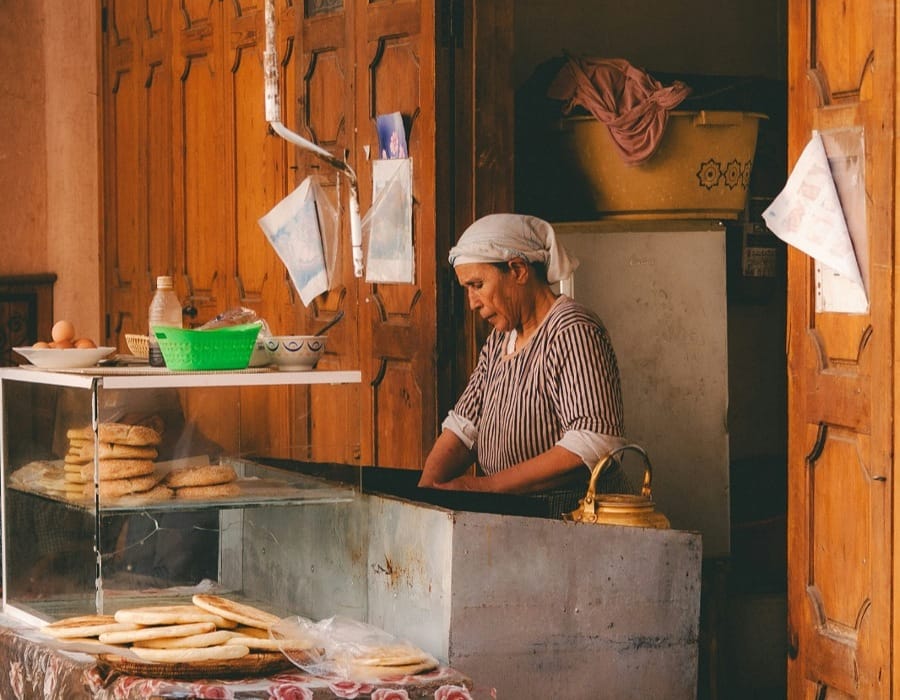
Is Ramadan a Good Time to Visit Fez?
For travelers seeking culture, authenticity, and unforgettable memories, the answer is yes.
Visiting Fez during Ramadan offers:
- A calmer daytime atmosphere in the Medina
- Magical and lively nights
- Unique cultural traditions
- A deeper connection with Moroccan daily life
It is not the typical tourist experience — and that is exactly what makes it special.
Before planning your trip, many travelers also wonder about safety while exploring the ancient streets of the medina. If you’re asking yourself whether Fez is safe for tourists, we’ve prepared a detailed guide explaining what visitors should know, practical tips for navigating the medina, and how to enjoy the city with confidence.
You can read our full guide here: Is Fez Safe for Tourists?
Cultural Etiquette: Respecting Ramadan in Fez
When visiting Fez during Ramadan, understanding local customs will make your experience richer and more respectful.
Ramadan is not only a religious observance; it is a time of reflection, generosity, and community. Visitors are warmly welcomed in Fez Medina, especially when they show curiosity and cultural sensitivity.
A few simple gestures can help you blend naturally into the rhythm of Ramadan in Fez.
Essential Do’s and Don’ts
DO
- Dress modestly, especially inside the medina (cover shoulders and knees).
- Carry water or snacks discreetly if you need them during the day.
- Eat and drink inside your riad, hotel, or restaurant rather than in public spaces.
- Ask permission before photographing people, especially during prayer times or family moments.
- Learn simple greetings such as “Ramadan Mubarak” or “Ramadan Kareem”—locals appreciate the effort.
- Try to plan your day around prayer times and Ftour, when the city pauses briefly before coming alive again.
DON’T
- Avoid eating, drinking, or smoking in public during fasting hours.
- Avoid public displays of affection.
- Try not to play loud music or behave noisily during the quiet daytime hours.
- Do not expect regular business hours, especially in the afternoon.
- Don’t be surprised if some cafés or restaurants remain closed during the day.
Showing this level of respect often leads to more genuine interactions with locals, making your visit to Fez during Ramadan even more meaningful
What Changes in the Medina During the Holy Month?
During Ramadan, the Fez Medina doesn’t stop — it simply transforms.
The biggest change is the daily rhythm of life. Locals adjust their schedules around fasting, prayer, and family gatherings. As a result, the medina feels calmer and more reflective during the day.
You may notice:
- Some workshops and small businesses opening later
- Streets feeling quieter in the afternoon
- Locals conserving energy before sunset
But after sunset, the transformation is remarkable. The same streets that felt peaceful during the day suddenly fill with life. Families go out together, neighbors meet, and markets remain active late into the night.
For many travelers, this contrast between calm days and lively evenings is what makes Ramadan in Fez such a memorable experience.
What Should Tourists Know Before Visiting Fez During Ramadan?
Traveling to Fez during Ramadan does not require major adjustments, but a little awareness makes the experience smoother.
The most important thing to remember is that Ramadan is a sacred time for Muslims. Locals are fasting from sunrise to sunset, which can make the daytime atmosphere quieter than usual.
Visitors can help create a respectful atmosphere by:
- Dressing modestly while exploring the medina
- Being patient with slightly different schedules
- Avoiding eating or drinking in public during the day
These small gestures are appreciated and often lead to warmer interactions with locals.
Another helpful tip is to plan your sightseeing earlier in the day. Many monuments, museums, and cultural sites may close a bit earlier during Ramadan.
But in exchange, travelers gain something rare: the opportunity to witness authentic Moroccan traditions that exist only during this holy month.
The Atmosphere of Ramadan in Fez 2026 Is Unlike Any Other City in Morocco
During Ramadan in Fez 2026, the city reveals a unique atmosphere that blends spirituality, tradition, and everyday life in a way few places can match. Inside the ancient Fez Medina, centuries-old streets become the setting for quiet mornings, reflective afternoons, and vibrant evenings filled with community spirit. As sunset approaches, a sense of anticipation spreads through the city, and when the moment of Ftour arrives, families and neighbors gather to share food and conversation. Later in the evening, the medina’s alleys fill with life as people walk, shop, and enjoy the cool night air. For visitors, this balance between peaceful devotion and lively night culture creates an unforgettable experience that captures the true soul of Fez, Morocco.
Are Restaurants and Shops Open During the Day?
This is one of the most common questions about visiting Fez during Ramadan.
The answer is yes — but with some differences.
Many small local cafés and restaurants close during the daytime because most residents are fasting. However, establishments that serve travelers—especially those connected to riads or hotels—usually remain open.
Shops in the Fez Medina may also open later than usual, but they often stay open much later at night.
This means the best time for:
- Shopping in the souks
- Exploring local food stalls
- Enjoying the atmosphere of the medina
is often after sunset, when the city becomes lively again.
For many visitors, these evenings become the most magical part of Ramadan in Fez.
A Different Way to Experience Fez
Visiting Fez during Ramadan is not the same as visiting at other times of the year—and that is exactly what makes it special.
Instead of rushing through monuments and markets, travelers experience a deeper side of the city: its traditions, its spirituality, and its strong sense of community.
For those who arrive with curiosity and respect, Ramadan in Fez becomes more than a trip.
It becomes a glimpse into the living heart of Morocco.
Unmissable Ramadan Experiences in Fez
1. Iftar at a Traditional Riad
One of the most memorable moments of Ramadan in Fez Medina is sitting at a traditional Ftour table.
As sunset approaches and the cannon announces the end of the fast, the meal begins gently with dates and milk, followed by the famous harira soup. Soon after, tables fill with sweet chebakia pastries, fresh bread, salads, and traditional Moroccan dishes.
Many riads create a warm atmosphere where travelers can share this moment with locals and other guests.
Popular places include:
- Riad Rcif
- Palais Amani
- Riad Fes
Sharing Ftour in Fez is not just a meal—it’s a moment of hospitality and human connection.
2. Witness the Pre-Dawn Suhoor Tradition
In the quiet hours before sunrise, around 3:00 or 4:00 AM, the ancient streets of Fez Medina awaken gently.
Traditionally, a person known as the msaharati walks through the alleys to wake residents for Suhoor, the final meal before fasting begins.
Hearing these early morning calls echo through the historic streets feels like stepping back in time.
3. Evening Walk Through Talaa Kebira
After Ftour, the main street of the medina, Talaa Kebira, becomes one of the most lively places in the city.
Families stroll together, children play, and vendors sell fresh juices and traditional sweets.
For visitors, this evening walk is one of the best ways to experience the living culture of Fez.
4. Admire the Mosques of Fez at Night (Exterior Appreciation)
Although most mosques in Morocco are not open to non-Muslim visitors, their architecture and atmosphere can still be appreciated from outside.
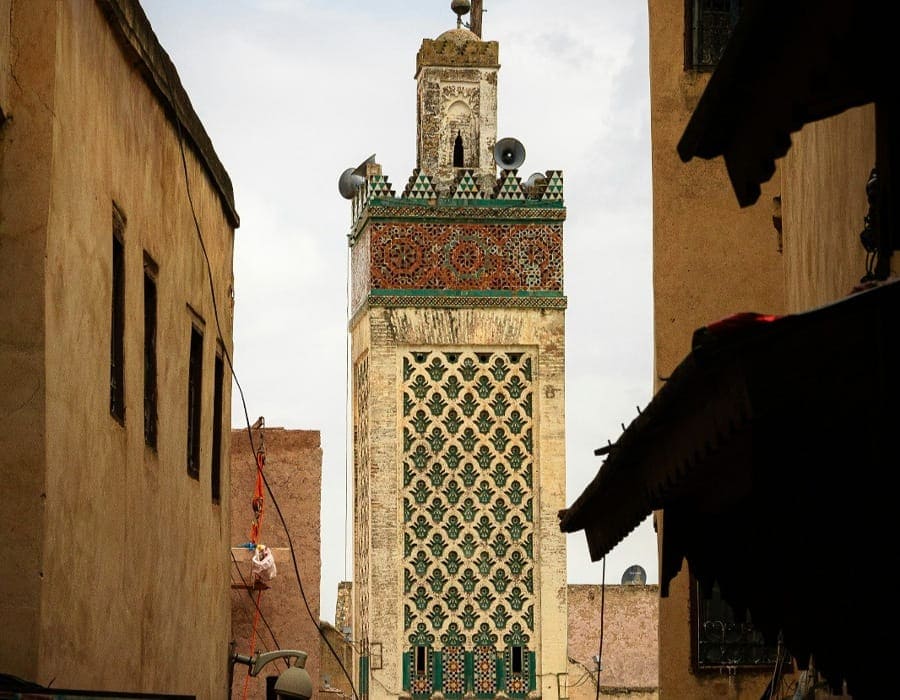
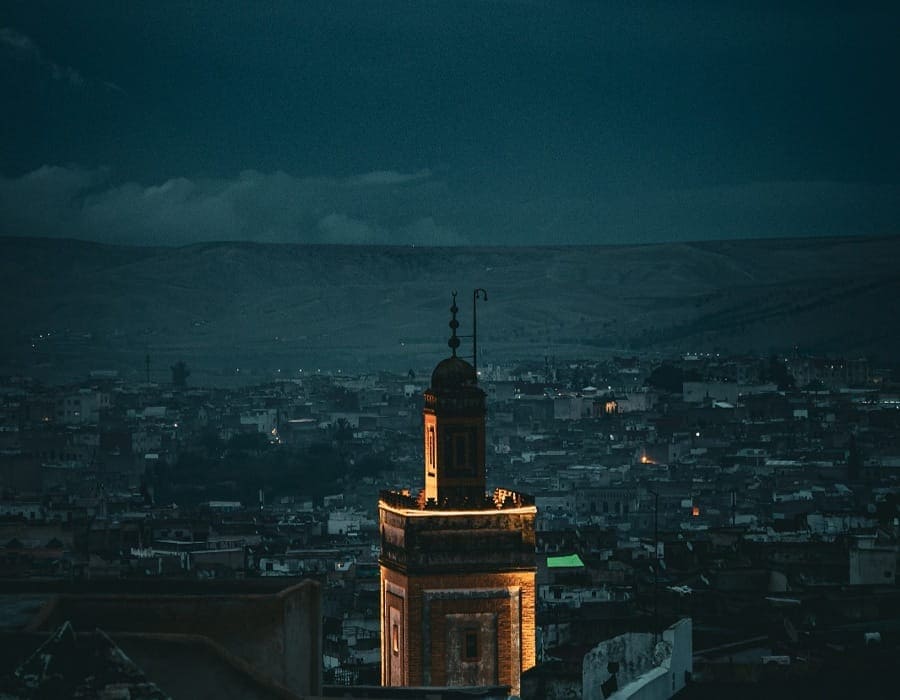
The Kairaouine Mosque and University, founded in 859, is especially beautiful when illuminated at night during Ramadan.
The sound of evening prayers and the calm of the old city create a deeply spiritual atmosphere.
5. Experience the Spirit of Community
During Ramadan, generosity becomes visible everywhere.
Some families or local organizations prepare public Ftour meals near mosques or public spaces to share with those in need.
Even as a respectful observer, witnessing this generosity offers a powerful glimpse into the community spirit of Morocco.
6. Experience Laylat al-Qadr (Night of Power)
One of the most sacred moments of Ramadan in Fez occurs during the last ten nights of the month.
This night, known as Laylat al-Qadr, is believed to be the holiest night of the year in Islam.
Mosques fill with worshippers, prayers continue late into the night, and the spiritual atmosphere in the medina becomes truly unforgettable.
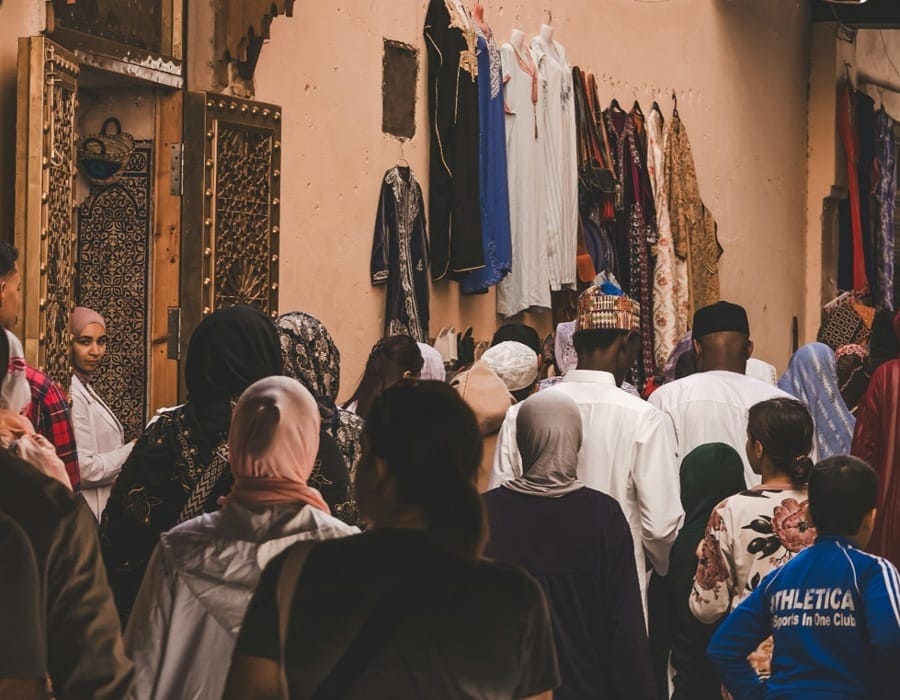
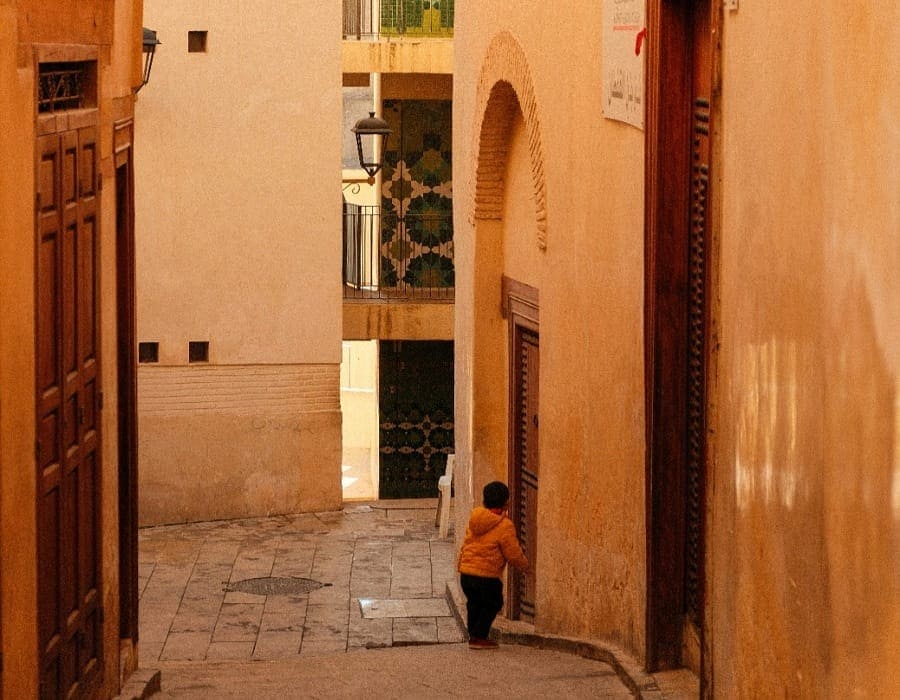
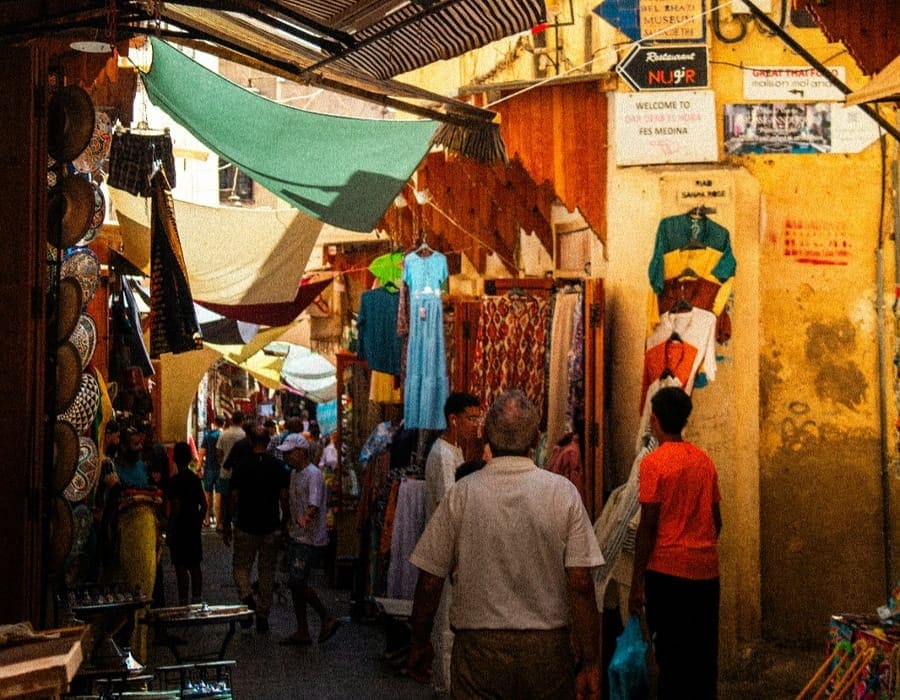
Planning your trip for Ramadan in Fes 2026 requires some local insight.
Dining Options
- Hotel restaurants: Usually serve meals throughout the day for non-fasting guests
- French Quarter (Ville Nouvelle): Some restaurants remain open
- Carry snacks: Keep energy bars and water in your bag
- Book iftar in advance: Popular restaurants fill up quickly
Timing Your Day
- Morning (10 AM – 12 PM): Visit museums, tanneries, and major sites
- Afternoon (12 PM – 5 PM): Rest at your riad, enjoy a hammam, or read
- Late afternoon (6 PM – sunset): Return to your accommodation before iftar rush
- Evening (8 PM – midnight): Explore the medina, shop, dine, and people-watch
Transportation
- Taxis may be difficult to find just before sunset, when drivers prepare to break their fast.
- If needed, book transfers in advance.
- Inside the medina, walking is always the best way to explore.
Exploring the maze-like streets of Fez Medina can be both enchanting and overwhelming. Many travelers choose to hire a local tour guide to fully appreciate the history, architecture, and hidden corners that are easy to miss on your own. A knowledgeable guide can also help navigate cultural customs, negotiate with shopkeepers, and ensure a safe and smooth experience.
If you want to learn more about why having a guide in Fez is highly recommended, check out our detailed article: Why You Should Hire a Tour Guide in Fez.
Health and Comfort
- Stay hydrated whenever possible.
- Take breaks if the medina feels overwhelming.
- Pharmacies remain open if needed.
- Remember that most locals are fasting—small acts of respect go a long way.
Beyond the Medina
If you need a quiet escape from the lively nights of Ramadan:
- Jnan Sbil Gardens – peaceful green space near the medina
- Merenid Tombs – stunning sunset views over Fez
- Ville Nouvelle – the modern district with cafés and wider streets
Final Thoughts: A Journey Into the Soul of Fez
Experiencing Ramadan in Fez is far more than a typical travel experience.
It is a chance to witness generosity, spirituality, and community in one of the oldest cities in the world.
If you come with curiosity, patience, and respect, you will discover something special:
a deeper connection to the people, traditions, and rhythm of life in Fez Medina.
For many travelers, visiting Fez during Ramadan becomes one of the most meaningful moments of their journey in Morocco.
Come with an open heart — and you may leave with memories that stay with you forever.
Ramadan Mubarak.
Frequently Asked Questions (FAQ) about Ramadan in Fes
Can I find food and water during the day as a non-fasting tourist?
Yes, absolutely. While most local street food stalls are closed, many restaurants in the tourist areas (like near Bab Boujloud) and all Riads continue to serve delicious meals and drinks throughout the day. It is simply recommended to eat within these establishments rather than on the public streets out of respect for those fasting.
Are the historical monuments and museums open during Ramadan?
Yes, major sites like the Al-Attarine Madrasa and the Nejjarine Museum remain open. However, please note that closing times might be slightly earlier than usual (often around 3:00 PM or 4:00 PM) to allow staff to return home for Iftar. We recommend starting your tours early in the morning.
Is it okay to take photos of people and markets during Ramadan?
Photography is generally welcome in Fes. However, during Ramadan, people may be more tired or in a spiritual mood. It is always best to ask for permission before taking a close-up portrait. Capturing the general atmosphere of the architecture and empty streets is a photographer’s dream during this month!
What is the best time to explore the Medina during this month?
For a peaceful, quiet experience with great lighting for photos, the morning (9:00 AM to 12:00 PM) is best. If you want to experience the vibrant “Ramadan Rush” and see the food preparations, the late afternoon (4:00 PM to 6:00 PM) is incredibly lively.
Should I book a guide for my Ramadan visit?
Hiring a local expert from Casacado Voyageurs is highly recommended. A guide will not only help you navigate the complex alleys but will also explain the unique Ramadan traditions, find the best open cafes, and ensure you feel comfortable and respected throughout your journey.
We look forward to welcoming you during Ramadan in Fes 2026.
If you’re inspired to experience Fez during Ramadan yourself, there’s no better way than joining one of our curated tours and cultural experiences. From guided walks through the medina to traditional Ftour evenings and artisan workshops, we offer a variety of authentic experiences designed to make your visit unforgettable.
Discover all our tours and book your Fez experience here: